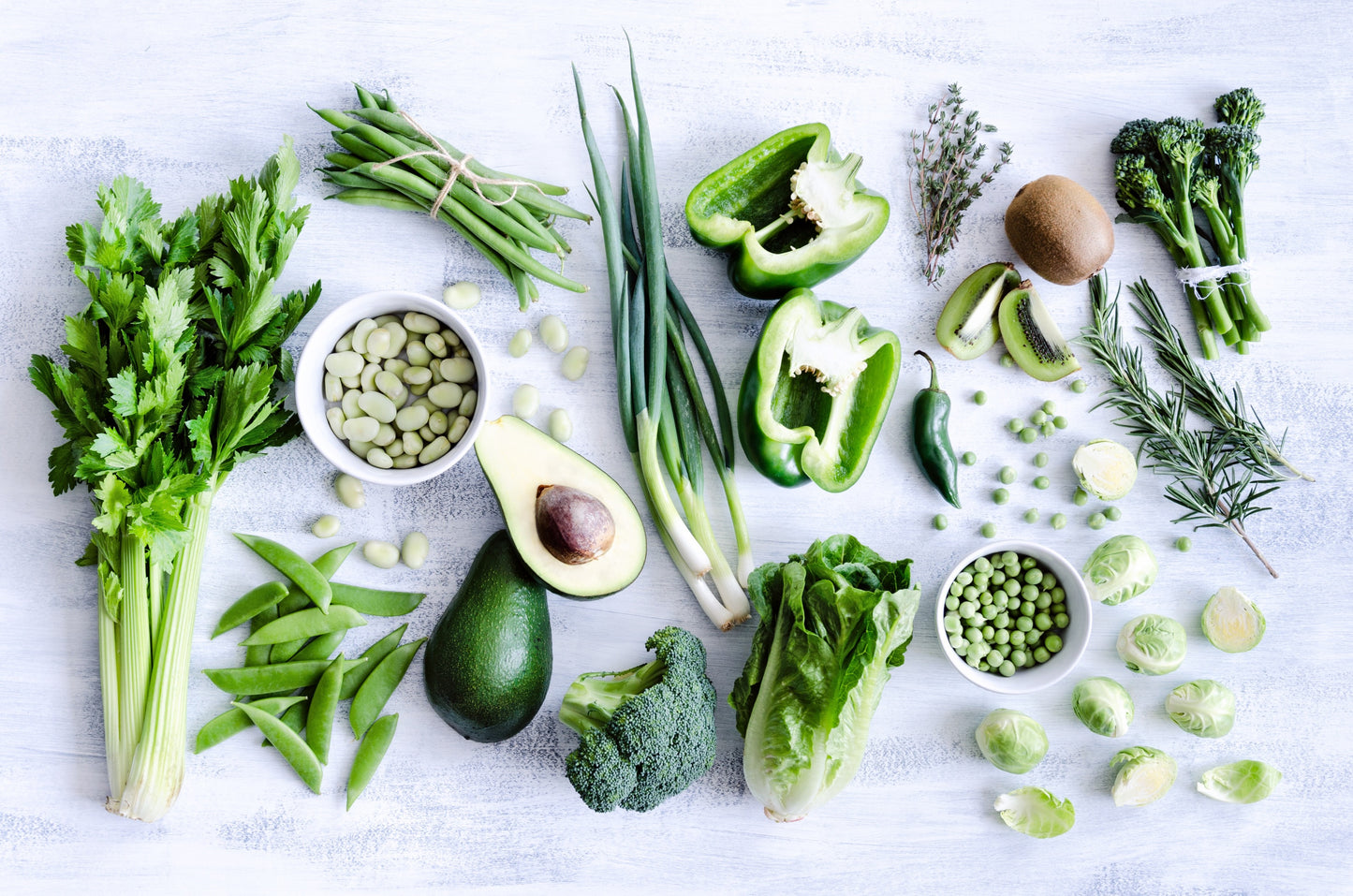
Gluten-Free Nutrition Plan
Essential Guide for Coeliac Disease & Gluten Sensitivity

A comprehensive nutrition plan that eliminates gluten—a protein found in wheat, barley, and rye—to manage coeliac disease, gluten sensitivity, and digestive disorders while promoting whole-food eating and nutrient-dense meals.
Key Benefits
Distinct advantages for those with gluten-related conditions:
Manages Coeliac Disease
Prevents intestinal damage and nutrient malabsorption caused by gluten
Reduces Sensitivity Symptoms
Less bloating, fatigue, and brain fog for those with non-coeliac gluten sensitivity
Improves Digestive Health
Especially beneficial for those with IBS or chronic gastrointestinal issues
Boosts Energy & Mood
Linked to better nutrient absorption and reduced inflammation
Encourages Whole-Food Eating
Often leads to cleaner, more nutrient-dense meal choices
Supports Autoimmune Conditions
Some individuals find symptom relief through elimination
What the Plan Includes
A comprehensive approach to gluten-free living with nutritious whole foods:
Naturally Gluten-Free Foods
Whole food foundation
Fruits, vegetables, lean meats, fish, eggs, dairy, legumes
Gluten-Free Grains
Safe alternatives
Rice, quinoa, buckwheat, millet, corn, certified gluten-free oats
Whole, Unprocessed Ingredients
Clean eating focus
Emphasis on nutrient-dense, minimally processed foods
Label Reading Guidance
Avoid hidden gluten
Learn to spot gluten in sauces, dressings, and processed foods
Meal Planning Tools
Structured approach
Weekly plans, shopping lists, and prep strategies
Nutritional Balance
Complete nutrition
Ensuring adequate fibre, B vitamins, and essential nutrients
What Is Gluten? Gluten is a protein found in wheat, barley, rye, and their derivatives. This plan eliminates all gluten sources to prevent intestinal damage and manage symptoms effectively.
Who It's Designed For
This plan is ideal for individuals with gluten-related conditions:
Coeliac Disease
People with diagnosed coeliac disease or dermatitis herpetiformis
Gluten Sensitivity
Individuals with non-coeliac gluten sensitivity experiencing symptoms
Wheat Allergies
Those with diagnosed wheat allergies requiring complete avoidance
Autoimmune Conditions
People exploring anti-inflammatory diets for symptom management
Not Recommended For
This plan is unnecessary or potentially problematic for:
Weight Loss Seekers
Those without gluten conditions expecting automatic weight loss
General Health Benefits
People without gluten-related conditions seeking unproven health gains
Without Guidance
Those eliminating gluten without dietitian support risking deficiencies
Fibre Deficiency Risk
Individuals prone to low fibre or B vitamin intake without proper planning
Undiagnosed Symptoms
Starting the plan before proper coeliac disease testing
Trend Dieters
Following as a fad without medical need or professional guidance
Important: If you suspect coeliac disease, get tested BEFORE eliminating gluten. Removing gluten beforehand can lead to false-negative test results. Always consult your GP or a registered dietitian.
What's Included
Everything you need for successful gluten-free living:
Meal Plans
Complete gluten-free meal plans with nutritious, whole-food options
Label Reading Guide
Learn to identify hidden gluten in products and ingredients
Progress Tracking
Monitor symptoms, nutrient intake, and health improvements
Recipe Library
Hundreds of delicious gluten-free recipes and meal ideas
Shopping Lists
Weekly shopping guides for safe gluten-free foods
Frequently Asked Questions
How quickly will I see symptom relief?
Most people with coeliac disease or gluten sensitivity notice digestive improvements within 2-4 weeks. Full intestinal healing can take several months to years, depending on the severity of damage. Symptom relief timing varies by individual.
Can I eat oats on a gluten-free plan?
Yes, but only certified gluten-free oats. Regular oats are often contaminated with wheat, barley, or rye during processing. Look for products specifically labelled "gluten-free" and introduce them gradually to monitor tolerance.
Will I lose weight on a gluten-free plan?
Not necessarily. Weight loss is not guaranteed or a primary goal unless combined with calorie control. Some people gain weight if they rely on processed gluten-free products, which can be higher in sugar and fat. Focus on whole foods for best results.
Is gluten-free eating expensive?
It can be if you rely heavily on specialty gluten-free products. However, focusing on naturally gluten-free whole foods like fruits, vegetables, rice, potatoes, meat, and legumes is affordable. Planning and batch cooking help keep costs down.
Do I need to avoid gluten forever?
If you have coeliac disease or dermatitis herpetiformis, yes—it's a lifelong requirement. For non-coeliac gluten sensitivity, some people can reintroduce small amounts over time under dietitian supervision. Always consult your healthcare provider first.
Master Gluten-Free Living with Confidence
Join thousands managing coeliac disease and gluten sensitivity successfully. Get complete meal plans, label reading guides, nutritious recipes, and all the tools you need for symptom-free, healthy gluten-free living.